This Your Writing: A Natural Handwritten Font for Every Creator
There's something undeniably special about a font that feels like it was written just for you. This Your Writing captures that effortless, personal touch we often spend hours trying to achieve with our designs. It's a natural, friendly handwritten font that brings warmth and authenticity to any project, whether you're crafting a wedding invitation or building a brand from the ground up.
Understanding the Visual Personality
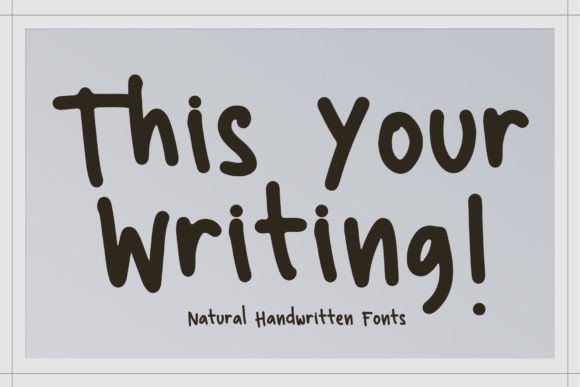
At first glance, This Your Writing strikes a beautiful balance between casual and refined. The letterforms have that genuine handwritten quality—slightly varied baseline, organic connections between characters, and a natural flow that mimics real penmanship. But unlike many script fonts that lean too heavily into messy or overly stylized territory, this typeface maintains excellent legibility across different sizes and applications.
The weight distribution feels authentic, neither too thin nor too bold. Each character carries subtle imperfections that give it real personality without sacrificing readability. You'll notice the gentle curves in lowercase letters like "g" and "y," the natural spacing that prevents letters from feeling cramped, and the overall rhythm that makes paragraphs feel cohesive rather than chaotic.
What makes this font particularly versatile is its ability to feel both personal and professional simultaneously. It doesn't scream "casual Friday" or "corporate memo." Instead, it occupies that sweet spot where warmth meets competence—exactly what most modern brands and creative projects need.
Where This Font Truly Shines
The applications for a premium font like This Your Writing extend far beyond greeting cards and personal blogs. Let's break down where this typeface genuinely excels and why so many designers reach for it repeatedly.
Brand Identity and Logo Design
For brands that want to communicate approachability without sacrificing professionalism, this handwritten font works beautifully. Think boutique bakeries, independent coffee shops, lifestyle coaches, artisan product lines, or creative agencies. The font instantly communicates that there's a real human behind the business—someone who cares about craft and connection.
I've seen This Your Writing used effectively for primary wordmarks where the brand name itself becomes the visual centerpiece. It pairs particularly well with clean sans serif fonts for supporting text, creating a nice contrast between personality-driven headlines and readable body copy.
Editorial and Publishing Design
Magazine headers, chapter titles, pull quotes, and section dividers all benefit from a font that feels handwritten without looking amateur. This Your Writing brings that editorial sophistication to lifestyle publications, cookbooks, travel guides, and memoir-style books. The consistency across the character set means you can use it for longer display text without worrying about awkward letter combinations or spacing issues.
For self-publishers working on personal projects or small press runs, having access to a quality script font like this can elevate a book's perceived value significantly. Readers do judge covers, and a thoughtful typographic choice communicates care and intention.
Digital and Social Media
Social media graphics thrive on personality. Whether you're creating Instagram stories, Pinterest pins, YouTube thumbnails, or Facebook headers, This Your Writing adds that human touch that stops the scroll. It works especially well for quote graphics, promotional announcements, and personal brand content where authenticity matters more than slick corporate aesthetics.
For web design, the font serves beautifully as a display typeface for hero sections, call-to-action buttons, or accent text. Just remember to use it strategically—handwritten fonts work best as headline or accent choices rather than body text on screens.
Packaging and Print Design
Product labels, thank-you cards, business cards, and promotional materials all benefit from handwritten typography. This Your Writing has enough character to make packaging feel artisan and intentional, which is crucial for small businesses competing against larger brands. The font's natural style communicates care, craftsmanship, and personal attention—exactly the qualities that make customers choose independent makers over mass-market alternatives.
Making Smart Typography Decisions
Choosing the right font for your project involves more than personal preference. Here's practical guidance for evaluating whether This Your Writing fits your specific needs.
Evaluate Your Audience First
Consider who will encounter your design. A handwritten font resonates differently with different demographics. For audiences aged 20-50—particularly creative professionals, entrepreneurs, and lifestyle-focused consumers—this style typically feels modern and relatable. However, if your project targets highly formal industries like law or finance, you might reserve it for internal communications or casual marketing materials rather than official documentation.
Test Font Pairings Thoroughly
This Your Writing works beautifully alongside clean sans serif fonts like Montserrat, Open Sans, or Lato. For a more editorial feel, pairing it with elegant serif fonts like Playfair Display or Cormorant creates sophisticated contrast. The key is ensuring your secondary typeface doesn't compete for attention—let the handwritten font lead while supporting fonts handle longer text blocks and smaller sizes.
Always test pairings at actual sizes you'll use. A combination that looks gorgeous at 72 points on your screen might feel cluttered when rendered at 14 points on a business card.
Review Included Styles and Licensing
Before committing to any commercial font, verify what's included in your purchase. Check for alternate characters, ligatures, multilingual support, and the range of weights available. These extras often make the difference between good typography and great typography. Also confirm the licensing terms match your intended use—whether that's personal projects, client work, merchandise, or digital products.
Readability Considerations
Even the most beautiful handwritten font fails if people can't read it easily. Test This Your Writing at various sizes and on different backgrounds. Handwritten fonts generally perform best at larger display sizes rather than small body text. If you need a script font for smaller applications, look for versions with optical adjustments or consider using it only for initial caps or accent words.
Print a sample before finalizing any print project. Screen rendering and physical printing produce different results, and what looks legible on your monitor might feel cramped on paper.
Building Your Design Asset Library
Every designer, marketer, and creative professional benefits from having versatile typography options at their fingertips. A quality handwritten font like This Your Writing fills a specific gap in most font libraries—the need for authentic, approachable typography that doesn't feel generic or overused.
The beauty of investing in premium fonts rather than relying solely on free alternatives often comes down to consistency, character variety, and professional polish. Free handwritten fonts can work for personal projects, but commercial work demands reliability and refinement that premium typefaces typically deliver.
Consider how often you reach for handwritten typography in your work. If the answer involves any regularity—social media content, client presentations, marketing materials, personal branding—having a dependable option like This Your Writing saves time and elevates output quality consistently.
Typography shapes perception more than most people realize. The fonts you choose communicate personality, professionalism, and intention before anyone reads a single word. Making thoughtful choices about your design assets, including typefaces, directly impacts how audiences receive and remember your work.
This Your Writing offers that rare combination of personality and practicality. It feels genuinely human without sacrificing the consistency professional work demands. Whether you're building a brand, publishing content, or creating marketing materials, it deserves consideration as a valuable addition to your creative toolkit.