Acrid: The Decorative Display Font for Bold Visuals
In the world of design, finding a typeface that commands attention without shouting is a rare find. Acrid is a decorative display font engineered for exactly that purpose. It’s not just another set of letters; it’s a design centerpiece. Crafted for creators who refuse to blend in, Acrid brings a distinct artistic flair and a powerful character to any layout. Its strong, all-caps personality makes it an ideal choice for projects where first impressions are everything, from a striking logo to the headline of a magazine spread. This is a premium font for those ready to elevate their work beyond the ordinary.
Understanding Acrid's Unique Character
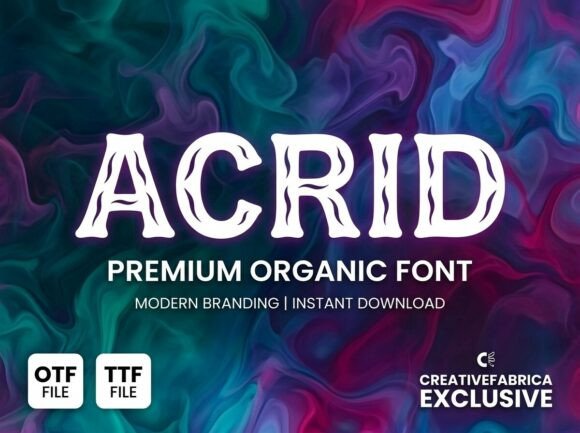
Acrid’s visual identity is rooted in its deliberate, crafted forms. Each letter is designed with strong geometric foundations, yet softened by unique, artistic details—perhaps a subtle taper, an unexpected angle, or a decorative serif that adds just the right amount of personality. This isn't a simple sans serif font or a traditional serif font. It occupies its own space as a modern display typeface, one that feels both contemporary and timeless. The overall aesthetic is high-end and professional, but it avoids sterility. It carries a confident, creative energy that can set the tone for an entire brand identity.
The true strength of a display font like Acrid lies in its ability to shape perception. When used for a headline, it immediately establishes a visual hierarchy, drawing the viewer's eye and setting the mood for the content that follows. For a brand, this typeface can communicate innovation, luxury, or artistic integrity in a single glance. Its bold presence ensures high recognition, a critical factor in logo design and packaging design where standing out on a shelf or in a digital feed is paramount. The font’s personality becomes an extension of the brand's own story.
Practical Applications: Where Acrid Shines
Knowing where to deploy a creative font like Acrid is key to unlocking its potential. Its all-caps nature is a feature, not a limitation, designed for maximum impact in specific contexts. Think of it as your go-to for moments that need a confident, unapologetic voice.
- Branding & Logo Design: Acrid excels at forming the core of a brand identity. It’s perfect for logos, wordmarks, and taglines that need to be memorable. Pair it with a clean sans serif font for body text to create a balanced, professional system.
- Editorial & Publishing: Use it for chapter titles, pull quotes, or feature article headers in magazines, books, and blogs. It adds a layer of sophistication and visual interest to editorial design, making layouts feel more dynamic and curated.
- Packaging Design: From artisanal food labels to cosmetics and boutique product lines, Acrid gives packaging a distinct shelf appeal. Its strong character helps products communicate quality and a unique point of view.
- Digital & Web Design: In web design, Acrid is a powerful tool for hero sections, landing page headlines, and call-to-action buttons. It ensures critical information isn’t just seen, but felt. It also makes social media graphics stand out in a crowded feed.
- Event & Marketing Materials: Create posters, invitations, and promotional materials with a high-end, professional aesthetic. The font’s presence can instantly elevate the perceived value of an event or campaign.
Making Acrid Work for You: A Practical Guide
Integrating a new typeface into your workflow requires thoughtful consideration. Here’s how to approach Acrid to get the best results for your projects.
Evaluating Project Fit
Before you begin, ask yourself: does this project need to make a bold statement? Acrid is ideal for projects where the title or logo is the star. It’s less suited for long paragraphs of body copy, where its decorative nature could hinder readability. Its role is to be the visual anchor, the element that draws people in. Consider the emotional tone you want to set. If your brand or project aims for playful, elegant, or avant-garde, Acrid’s specific style is a perfect match. For more subdued or traditional contexts, you might reserve it for a single, impactful headline.
Mastering Font Pairing
The art of font pairing is about creating harmony and contrast. Since Acrid is a strong, personality-driven display font, it pairs beautifully with simpler, more neutral typefaces. A classic combination is with a clean sans serif font like Montserrat or Lato for body text, allowing Acrid’s details to pop without competition. For a different feel, try pairing it with a simple, elegant serif font for a touch of classic sophistication. The key is to let Acrid handle the headlines while its partner manages the supporting text, ensuring a clear and effective visual hierarchy.
Understanding the Included Files
You will receive two core file types with Acrid: an OTF file and a TTF file. The OTF (OpenType Font) is the professional’s choice, especially if you use advanced design software like Adobe Illustrator or InDesign. It can contain more sophisticated typographic features. The TTF (TrueType Font) is the universal workhorse, ensuring the font works seamlessly across virtually all operating systems and applications, from your design suite to your word processor. This compatibility makes Acrid a versatile asset in your toolkit.
Navigating Readability and Licensing
Remember, Acrid is an all-caps typeface. This is by design. Using it for entire sentences or body copy will compromise readability. Instead, use it for short, powerful phrases—headlines, logos, subheadings, and initials. Let its strength be in its brevity and impact. Finally, always review the font’s licensing agreement. Most premium fonts like Acrid offer a commercial license that allows you to use the font in projects for clients, for your business, and for sale (like on merchandise). Understanding these terms ensures you can use this design asset confidently in all your professional work.
Ultimately, Acrid is more than just a font; it’s a strategic tool for visual communication. By understanding its personality and applying it thoughtfully, you can transform ordinary designs into memorable experiences that captivate your audience and solidify your brand’s identity.